


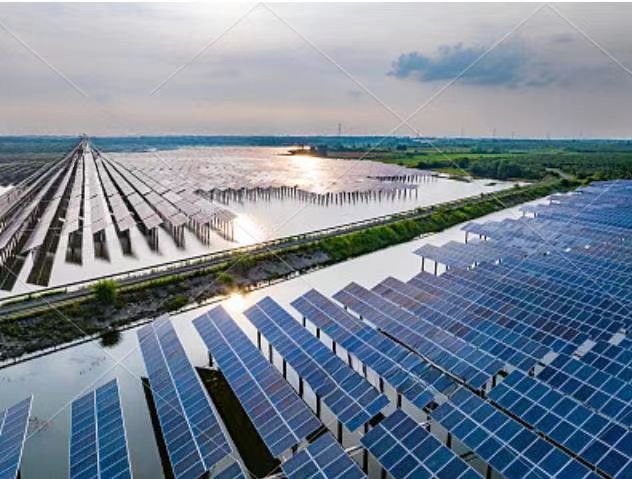
Putting lithium iron phosphate (LiFePO4) batteries together with solar energy systems has really changed how we grab and keep renewable energy. By mixing new tech with designs that are good for the earth, these LiFePO4 solar setups are making energy use safer, better, and more independent. This guide looks at why these systems are so good, shows how they're used in real life, and gives you the tech info to get why they're the way forward for energy that lasts.
Unmatched Safety and Stability
It is crucial to ensure safety when dealing with electricity. The use of LiFePO4 batteries is imperative because regular lithium-ion batteries may explode in flames on occasion, however, LiFePO4 batteries are much more stable. They can withstand a temperature that is 50° higher compared to regular lithium-ion batteries making overheating almost non-existent even in extreme conditions.
In addition, LiFePO4 batteries come equipped with additional safety features. They include smart battery management systems (BMS) that monitor the voltage, temperature of the cells, and number of charges. For example, the Sunpok 48V LiFePO4 battery will self shut down if it reaches a temperature of over 60°C, thus preventing a mishap before it can occur.
Here's a story: a solar farm on a Greek island used LiFePO4 batteries and didn't have any heat issues, even during heatwaves of 40°C.
Extended Lifespan and Durability
Battery Life Cycle: 24V 100Ah Lithium-Iron Phosphate Battery produced only a 10 % capacity drop, with 90 % capacity remaining after 6000 charging and discharging cycles.
Limited Reduction: One advantage of lithium batteries is that there is less loss of capacity during cycling.
Cost Effectiveness: The 15 kWh LiFePO4 battery pack is more costly than a lead-acid battery, but it makes up for the cost within 6 to 8 years through the savings from electricity expenses.
Eco-Friendly and Sustainable Design
No Toxic Materials: The lack of lead, cadmium & cobalt in LiFePO4 batteries reduces their overall impact on the environment significantly.
99% Recyclable: The almost total recovery of lithium iron and phosphate from manufacturing makes LiFePO4 batteries an ideal sustainable alternative to landfilling.
Lower Carbon Footprint: The CO₂ generated per year using a 5kW LiFePO4 solar system is reduced by 15 tons compared to being grid-tied.
Government Usage: Public buildings in Germany utilizing LiFePO4 systems for their sustainability goals and are reducing their grid usage by 80%.
Comparison: LiFePO4 vs. Traditional Batteries
|
|
|
|
|
|---|---|---|---|
|
|
|
|
|
|
|
|
|
|
|
|
|
|
|
|
|
|
|
|
|
|
|
|
|
Conclusion


