ISLAMABAD, May 22, 2026 – Pakistan has deployed an estimated 51 gigawatts of operating solar photovoltaic (PV) capacity as of March 2026, according to the latest edition of the Pakistan Electricity Review 2026, released this week by the Islamabad-based energy think tank Renewables First. The report reveals that cumulative solar module imports reached 54 GW by the end of the same month, marking one of the fastest consumer-driven energy transitions in modern history.
But the 51 GW figure tells only part of the story. While official statistics place Pakistan's installed grid-connected generation capacity at 41 GW, the inclusion of approximately 38 GW of distributed solar-comprising behind-the-meter, off-grid and net-metering rooftop installations-brings the country's true total capacity to nearly 79 GW. Nearly half of the nation's electricity demand is now served without passing through the national transmission network.
Two Parallel Systems in Operation
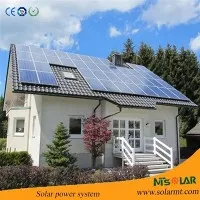
The report describes a power sector at an "inflection point," where two fundamentally mismatched energy systems now operate in parallel. On one side sits the centralized national grid, built for unidirectional power flows and thermal generation. On the other side are millions of households, farms and businesses that have opted out, investing in rooftop panels to escape crippling electricity tariffs.
"On one side, we have the centralized grid, structured around unidirectional power flows, thermal plants and thermal dependence," explained Nabiya Imran, Associate – Energy Insights at Renewables First, during a webinar launching the report. "At the same time, we have consumers increasingly investing in distributed solar, driven by high tariffs and cheaper panel costs. There is a mismatch between these two systems. The goal is to bridge that mismatch, because that will help us reduce fossil fuel dependence and improve macroeconomic resilience".
Data from the report illustrates the scale of the shift. Grid electricity sales fell from 125 terawatt-hours in fiscal year 2022 to 111 TWh in 2025, an 11 percent decline over three years. Yet total electricity generation reached a record 186 TWh in 2025, with distributed solar-net-metering, behind-the-meter and off-grid combined-contributing an estimated 51 TWh, equivalent to roughly 46 percent of grid-supplied electricity over the same period.
"Electricity sales figures do not reflect falling electricity demand," the report emphasizes. "Instead, a growing share of consumption is being met through distributed solar, indicating that underlying electricity use continues to rise but is increasingly bypassing the grid".
Strategic Shield Against Geopolitical Risks
In the context of the evolving geopolitical landscape, solar development in Pakistan has been highly beneficial to help reduce its significant energy security risk by greatly reducing its reliance on all imports of oil, petroleum and LNG from the Gulf Countries. As such, the country is highly exposed to increased risk of price shocks resulting from conflicts in the Strait of Hormuz, which is the most important shipping channel for energy in the world. A joint report issued in March 2026 estimated that without solar growth, Pakistan would have been even more exposed to increased energy vulnerability resulting from tensions in the Middle East. The report noted that solar development has allowed Pakistan to avoid both load shedding and/or peak demand restrictions that usually occur during energy crises and that demand for gas through LNG imports has decreased to the point where contracts can now be modified or placed on hold. As a result of the decline in fossil fuel imports from 2022 to 2024 (a decline of nearly 40 percent), the country has received much needed economic relief and insulation from a strategic perspective.
Challenges Ahead: Grid Mismatch and Policy Gaps
Despite the extraordinary growth, the report warns of mounting structural pressures. While distributed solar is expanding rapidly, the national grid-designed decades ago for centralized thermal generation-has failed to adapt. Transmission bottlenecks, underutilized capacity and a volumetric revenue model continue to drive inefficiencies and rising costs.
"Distributed solar is eroding utility revenues faster than thermal capacity can be rationalized, moving the sector toward an inflection point without sufficient policy frameworks," the report states. Circular debt in Pakistan's power sector remains elevated at approximately Rs1.8 trillion as of February 2026.
Sohaib Malik, Senior Fellow – Energy Transitions at Renewables First, wrote in the report's foreword that "while policymakers are starting to recognize the challenges facing the country's centralized model of power generation and supply, the full extent of the shift is yet to be appreciated by most stakeholders due to incomplete and imprecise datasets".
The Road Ahead
According to the report, Consumer Energy Resources' electricity output could be around 68 TWh (terawatt hours) during the first nine months of 2026; equivalent to approximately 61% of total grid sales by 2025. In order to effectively navigate this major transformation within Consumer Energy Resources' electricity generation capacity, the think tank has recommended urgent policy and regulatory reforms that would allow for the better integration of distributed solar into official energy planning frameworks, along with necessary financial investments in both battery storage and smart grid technologies, to enhance the ability of utility companies to manage peak demand and increase the flexibility of their systems.
Pakistan's solar energy story has not developed along the lines typically seen with centralized planning or top-down governmental mandates, but rather through millions of independent individual decisions to install solar panels on the rooftops of residential buildings; each rooftop installation representing a quiet expression of faith in a future that is both cleaner, cheaper and much less dependant on oil or the grid. The primary issue now is whether or not Pakistan's power sector institutions can keep pace with the rapid transformation that has already affected their citizens' roofs, farms and factories.
If properly managed, this consumer-driven shift towards solar energy for electricity could ultimately provide one of the most powerful safeguards for the people of Pakistan against external energy and economic shocks. However without urgent policy reform and regulation within the power sector; the current power sector of Pakistan is in danger of perpetuating and worsening a structural crisis that cannot be resolved purely through the installation of additional rooftop solar panels.