Part 1: The European Blueprint – A Perfect Storm of Policy and Necessity

Europe, led by Germany, provides a clear blueprint for the balcony solar boom. The movement has now become more than a niche trend, as it has come to be recognised as a larger societal change. By the end of June 2025, the registered number of balcony photovoltaic (PV) systems in Germany will have exceeded one million. In 2024, small-scale PV systems contributed to an astounding 44 per cent of total new PV installations for the year, adding more than 435,000 units.
The significant contributors to the above-mentioned success are identified as follows:
The first reason is that soaring energy prices have been significant triggers. After the energy crisis, the residential electricity price increased significantly in Germany, Italy, and Austria between 50%-150% (at prices between €0.30 - €0.50 per kilowatt hour). Therefore, the balcony PV System is seen as a viable and immediate option for homeowners and renters to help mitigate their higher utility bills, with an average cost of approximately €600 and a return on investment of 3-5 years.
The second reason is that government-supported initiatives have greatly reduced the obstacles for consumers wanting to invest in balcony PV. In Germany, the Solarpaket I legislation allowed for an increase in the allowable output of plug and play systems (to 800 watts) and eliminated the need for the tedious and bureaucratically complex approval process by creating an online registration process. Other countries soon followed suit; for example, in France, "no approval necessary" was introduced, in Italy, tax incentives were provided, and in Austria, property owners' rights establishing legal limitations and conditions of installation of balcony PV for apartments were clarified. The proliferation of government support and incentives along with a strong cultural momentum for energy independence and environmental stewardship solidly positioned Balcony PV as a common consumer product.
Part 2: The Chinese Awakening – A Market Forging Its Own Path
While inspired by the European model, the balcony PV market in China is developing with distinct characteristics tailored to local economic realities. The year 2025 is widely considered the "first year" of the domestic balcony PV market. Unlike in Europe, the primary early adopters in China are not individual homeowners but small and medium-sized commercial entities.
The rationale is economic. China's residential electricity prices are relatively low, making the financial savings for households less dramatic. However, commercial and industrial electricity prices are higher and subject to significant peak-to-valley price differentials. For a small restaurant, print shop, or retail store with stable daytime operations, a balcony PV system can directly offset expensive grid power during peak hours, leading to a compelling return on investment often cited at around three years. One industry estimate suggests there are as many as 1.1 million street-front shops in China suitable for such installations.
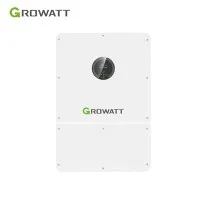
This unique focus has shaped product development and business models. Typically, balcony PV system collections incorporate both 1, and 2, solar panel systems with a micro-inverter to convert the direct current (DC) produced by the solar panel into the type of electricity needed for household consumption in the form of alternating current (AC). Additional components found in a complete collection include the mounting hardware that holds the panels, a device to keep excess generated electricity from putting electricity back onto the grid, and in the case of some, the ability to store energy produced during daylight hours and/or during power failures.
Part 3: Technology and Future Horizons
A balcony PV system is simply designed with elegance in mind. They usually consist of one or two solar panels, a micro-inverter that converts direct current (DC) produced by the solar panels to alternating current (AC) to supply power to the home, a solar panel mounting system, and a reverse power flow protection device that prevents excessive generation of energy from being fed back to the grid. These systems may have battery storage to enable users to due to the fact that users may want to use energy that has been created from the sun during the day at night and/or during power outages. Users are able to manage their entire energy system instead of just generating energy.
Conclusion
What balcony photovoltaic systems have done is create a fundamental click point toward democratization of energy. Simply put: It has shown through the emergence of markets in China and the Europe and the growth of residential solar systems that the transition toward renewable energy production is not restricted to large-scale utility projects but is also an opportunity for individuals and small business owners to participate in the development and production of their own energy resources. The emergence of balcony solar technologies represents a worldwide energy model for transforming passive energy consumers into active ("prosumer") participants, creating a sustainable and healthy urban living environment by integrating sustainability into the way we build homes and design cities, thereby leading the way to a more decentralized and resilient energy future for everyone.