


Is solar power a green industry?
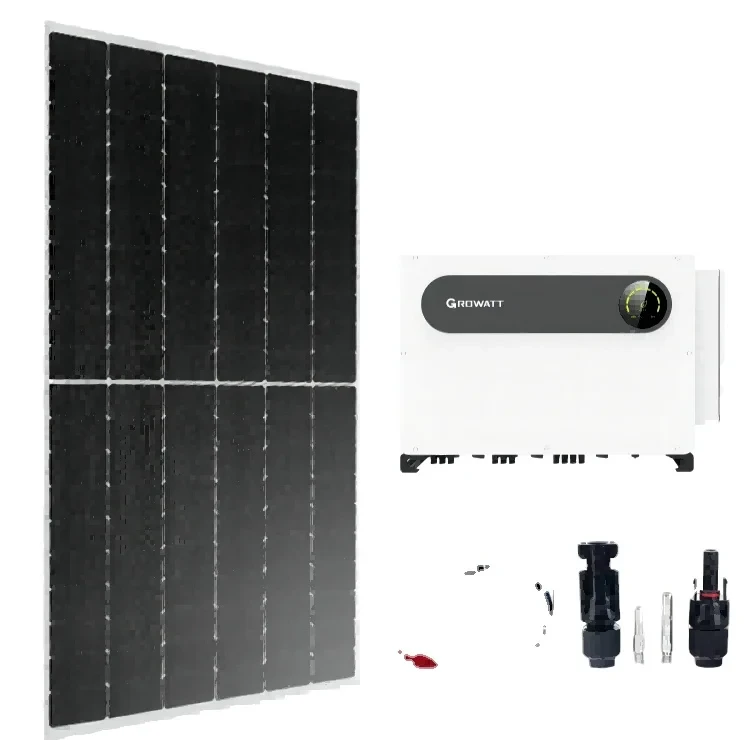
In this article, we're going to explain how solar energy is much more than a trendy way to save money and maybe even the planet! So you're about to learn if solar power truly represents an environmentally friendly way to produce electric energy for you, or if it's all a bunch of lies and secrets left on the floor of the garbage can? Let's figure this out!
Green Credentials: Why Solar Shines Brighter Than a Tesla Roadster
1. It's a Carbon Slayer
Putting solar panels on your roof is a winner for helping out our planet by cutting way down on carbon dioxide. For each panel, you could knock out around 50 tons of that junk. That's like planting 2,500+ trees or taking 10,000 cars off the streets! Big score for Earth.
2. It's Endlessly Renewable
3. It's a Job-Creating Machine
The solar industry has more jobs in the United States than coal mining (and growing, currently over 250,000 jobs) If you want to have a job that makes a difference? Install Solar Panels in Miami, develop batteries in Berlin or advocate for Solar Farms in Canberra.
Bonus Solar Panels are aesthetically pleasing! Drive down a suburban street where most homes have Solar PV Systems; it is like being in a movie from the future.
The Not-So-Shiny Side: Environmental Costs
1. The Dirty Secret of Manufacturing
Manufacturing Solar PV Systems demands significant electricity consumption (almost entirely from fossil fuels). The average carbon dioxide output per Solar PV System is estimated between 40 and 60 grams of CO2 per kWh produced. Although it is significantly lower than coal, the production of Solar PV Systems is not carbon neutral or guilt-free.
Solar PV Systems are manufactured with toxic chemicals including toxic heavy metals Cadmium and Lead; these chemicals may leach into the soil and water if the Solar PV Panels are not properly recycled.
2. Land Use Drama
The development of solar power systems can result in the destruction of habitats as well as other types of environmental damage. Numerous areas of the desert habitat in the Mojave Desert in California are experiencing catastrophic losses of numerous species of animals and plants, such as desert tortoises and plant species listed as endangered, as a result of the development of a solar power facility.
The aesthetics of Solar Roofs can be varied depending on the manufacturer; some homeowners may feel Solar Roofs resemble a spaceship while others may want their Solar Roofs to visually resemble a typical roof instead.
3. Recycling Nightmare
Quick Fix: Countries like Japan and the EU are pushing recycling laws, but progress is slow.
The Verdict: Solar Power Is Mostly Green, but We Can Do Better
There are no doubting that Solar Energy is having an incredibly positive effect, including reducing emissions, creating jobs, and turning previously unusable land into energy-producing areas. The only thing to improve would be the Solar Energy industry's approach to how it is manufactured, how it is recycled, and how it influences governmental policy. The fact remains that if someone wants to try to discredit the solar industry and call it "greenwashing" or any other name, simply provide them with the evidence that the energy savings provided by a solar panel far exceeds the amount of energy that it took to create it.
As we continue to see explosive growth in solar installations, and we are seeing a doubling of installations every year around the world by 2023, we will have exponential market momentum behind us for the next decade.
The Final Thought is this: Solar Energy will not be the answer to all of our global energy problems, but it will be one of our best alternatives over the next decade and we have to keep bringing attention to its shortcomings as well as continue to strive towards making it as green as it should be.


