

Shading is a critical factor that can significantly impact the performance of a commercial use solar system. As a leading supplier of commercial solar systems, I have witnessed firsthand how shading issues can either boost or bust the efficiency and profitability of these installations. In this blog post, I'll delve into how shading affects a commercial solar system, the problems it can cause, and the solutions we offer to mitigate these challenges.
Understanding Shading and Its Types
Before we discuss the impact of shading on commercial solar systems, it's essential to understand what shading is and the different types that can occur. Shading refers to the obstruction of sunlight from reaching the solar panels. There are two main types of shading: partial shading and full shading.
Partial shading occurs when only a part of the solar panel is covered by an object, such as a tree branch, chimney, or the shadow of a neighboring building. This type of shading can have a disproportionate impact on the panel's performance because solar panels are made up of multiple cells connected in series. When one cell is shaded, the current flowing through that cell is reduced, which can limit the overall current output of the entire panel.
Full shading, on the other hand, happens when an entire solar panel or a group of panels is blocked from receiving sunlight. This can occur during certain times of the day or year, or as a result of permanent structures like tall buildings or mountains. Full shading can completely halt the production of electricity in the affected panels, leading to a significant loss of power generation.
Impact of Shading on Commercial Solar Systems
Reduced Energy Production
The most obvious effect of shading on a commercial solar system is a reduction in energy production. Solar panels generate electricity by converting sunlight into direct current (DC) through the photovoltaic effect. When sunlight is obstructed, the amount of energy that the panels can produce is directly reduced. Even a small amount of shading on a single panel can cause a substantial drop in the system's overall output.
For example, if a 10% shaded panel is part of a string of panels in a commercial solar array, it can reduce the power output of the entire string by up to 50%. This is because the shaded panel acts as a resistor, limiting the current flow through the entire string. As a result, the system may not be able to generate enough electricity to meet the commercial building's energy needs, leading to increased reliance on the grid and higher electricity bills.
Hot Spots and Panel Damage
Shading can also lead to the formation of hot spots on solar panels. When a panel is shaded, the unshaded cells continue to generate electricity, while the shaded cells act as a load and dissipate energy as heat. This can cause the temperature of the shaded cells to rise significantly, leading to the formation of hot spots.
Hot spots can damage the solar cells over time, reducing their efficiency and lifespan. In some cases, hot spots can even cause permanent damage to the panels, requiring them to be replaced. This not only increases the maintenance costs of the commercial solar system but also disrupts the energy production and can lead to financial losses.
Mismatch Losses
Another problem caused by shading is mismatch losses. Mismatch losses occur when the electrical characteristics of the solar panels in an array are not identical. Shading can cause a mismatch in the current and voltage output of the panels, which can reduce the overall efficiency of the system.
For instance, if one panel in a string is shaded and has a lower current output than the other panels, the entire string will be limited to the current of the shaded panel. This means that the unshaded panels will not be able to operate at their maximum efficiency, resulting in energy losses.
Solutions to Shading Problems
Panel Placement and Design
One of the most effective ways to minimize the impact of shading on a commercial solar system is through proper panel placement and design. During the installation process, our team of experts conducts a detailed site analysis to identify potential shading sources and determine the best location for the solar panels.
We recommend placing the panels in areas that receive the most sunlight throughout the day, avoiding any obstructions such as trees, buildings, or chimneys. In some cases, we may also suggest tilting the panels at an angle to maximize sunlight exposure and reduce the risk of shading.
Microinverters and Power Optimizers
Another solution to shading problems is the use of microinverters or power optimizers. Unlike traditional string inverters, which connect multiple solar panels in series, microinverters and power optimizers are installed on each individual panel. This allows each panel to operate independently, mitigating the impact of shading on the rest of the system.
When a panel is shaded, the microinverter or power optimizer adjusts the voltage and current output of that panel to ensure that it continues to operate at its maximum efficiency. This not only reduces the energy losses caused by shading but also improves the overall performance and reliability of the commercial solar system.
Solar Tracking Systems
Solar tracking systems can also be used to minimize shading and maximize energy production. These systems are designed to follow the sun's movement throughout the day, ensuring that the solar panels are always facing the sun at the optimal angle.
By tracking the sun, solar tracking systems can increase the amount of sunlight that the panels receive, especially in areas with high levels of shading. This can significantly improve the energy output of the commercial solar system, making it more cost-effective and efficient.
Our Commercial Solar System Solutions
As a supplier of commercial use solar systems, we offer a range of products and solutions to help our customers overcome shading challenges and maximize the performance of their solar installations.
Our 20Kw Complete Solar Kit is a comprehensive solution that includes everything you need to set up a large-scale commercial solar system. This kit is designed to be easy to install and operate, and it comes with high-quality solar panels, inverters, and mounting hardware that are resistant to shading and other environmental factors.
We also offer Solar Battery Storage Systems that can store excess energy generated by the solar panels during the day and release it when needed, such as during periods of shading or at night. This helps to ensure a continuous supply of electricity and reduces the reliance on the grid.
For smaller commercial applications, we have the 5KW Residential Off Grid Solar System and 3kw Solar System. These systems are designed to be compact and efficient, making them ideal for businesses with limited space or lower energy requirements.
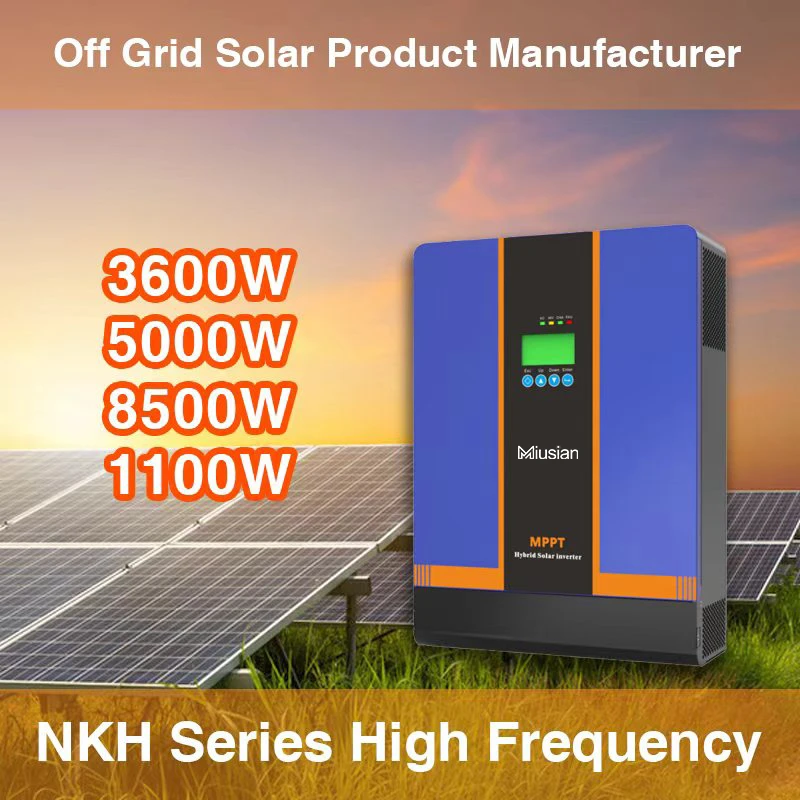
In addition, our Mutian Inverter 3KW off grid is a high-performance inverter that is suitable for commercial solar systems. It features advanced MPPT technology that can optimize the power output of the solar panels, even in shaded conditions.
Conclusion
Shading can have a significant impact on the performance and profitability of a commercial use solar system. However, with proper planning, design, and the use of advanced technologies, it is possible to minimize the effects of shading and ensure that the solar system operates at its maximum efficiency.
As a supplier of commercial solar systems, we are committed to providing our customers with the highest quality products and solutions to help them overcome shading challenges and achieve their energy goals. If you are interested in learning more about our commercial solar systems or would like to discuss your specific requirements, please feel free to contact us. We look forward to working with you to develop a customized solar solution that meets your needs and budget.
References
- "Photovoltaic Systems and Shading: Causes, Effects and Solutions", International Journal of Renewable Energy Research
- "Solar Power Systems Engineering", Wiley-IEEE Press
- "Impact of Shading on the Performance of PV Modules", IEEE Transactions on Photovoltaic