

How does an on - grid solar energy system contribute to energy independence?
In an era where the quest for sustainable and independent energy sources is more pressing than ever, on - grid solar energy systems have emerged as a pivotal solution. As a trusted supplier of On Grid Solar Energy Systems, I've witnessed firsthand the transformative impact these systems can have on achieving energy independence.
Understanding On - Grid Solar Energy Systems
An on - grid solar energy system is designed to be connected to the local utility grid. It consists of solar panels, an inverter, and a connection to the grid. Solar panels capture sunlight and convert it into direct current (DC) electricity. The inverter then transforms this DC electricity into alternating current (AC), which is the type of electricity used in most homes and businesses. This AC electricity can either be used immediately or fed back into the grid.
One of the key components of an on - grid solar system is the inverter. For instance, the Growatt Inverter On Grid Solar System is renowned for its high efficiency and reliability. It ensures that the solar energy captured by the panels is effectively converted into usable electricity and seamlessly integrated with the grid.
Reducing Reliance on Traditional Energy Sources
One of the most significant ways an on - grid solar energy system contributes to energy independence is by reducing our reliance on traditional fossil - fuel - based energy sources. Fossil fuels such as coal, oil, and natural gas are finite resources, and their extraction and consumption have a profound impact on the environment. By generating electricity from the sun, on - grid solar systems provide a clean and renewable alternative.
When a household or business installs an on - grid solar system, it can generate a significant portion of its own electricity. For example, a well - designed Solar Power System For Home Use can cover a large part of a family's daily electricity needs. This means that less electricity needs to be purchased from the grid, which is often powered by fossil fuels. As a result, the consumer becomes less dependent on the fluctuating prices and availability of traditional energy sources.

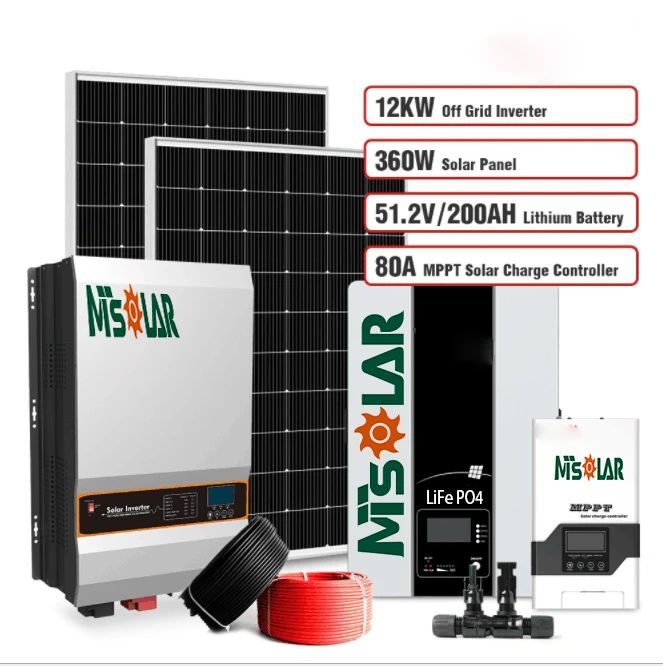
Net Metering and Energy Independence
Net metering is a crucial mechanism that enhances the contribution of on - grid solar systems to energy independence. Net metering allows solar system owners to receive credits for the excess electricity they generate and feed back into the grid. When the solar panels produce more electricity than the home or business is using, the surplus is sent to the grid, and the owner's electricity meter runs backward. These credits can then be used to offset the electricity consumed from the grid during periods when the solar panels are not producing enough power, such as at night or on cloudy days.
This system effectively allows solar system owners to store energy in the grid, eliminating the need for expensive battery storage systems in many cases. For example, a small business with a Three Phase On Grid Solar System can generate a large amount of electricity during the day. Through net metering, it can use the credits earned during the day to power its operations at night, reducing its overall dependence on grid - supplied electricity.
Economic Benefits and Energy Independence
On - grid solar energy systems also offer significant economic benefits, which are closely linked to energy independence. The initial investment in a solar system may seem substantial, but over time, it can lead to substantial savings on electricity bills. As electricity prices continue to rise, the cost - effectiveness of solar energy becomes even more apparent.
Moreover, in many regions, there are government incentives and subsidies available for installing solar systems. These incentives can significantly reduce the upfront cost of the system, making it more accessible to a wider range of consumers. By reducing electricity costs, on - grid solar systems free up financial resources that can be used for other purposes, further enhancing the economic independence of households and businesses.
Environmental Impact and Energy Independence
The environmental benefits of on - grid solar energy systems are also a key aspect of energy independence. Solar energy is a clean and renewable energy source that produces no greenhouse gas emissions during operation. By choosing to use solar energy, consumers are not only reducing their dependence on fossil fuels but also contributing to a cleaner and more sustainable environment.
In addition, the widespread adoption of on - grid solar systems can help to reduce the overall demand for traditional energy sources, which in turn can lead to a more stable and secure energy supply. This is particularly important in the face of increasing energy demands and the potential for energy shortages.
Challenges and Solutions
While on - grid solar energy systems offer numerous benefits, there are also some challenges that need to be addressed. One of the main challenges is the intermittency of solar energy. Solar panels only generate electricity when the sun is shining, which means that there may be periods when the system is not producing enough power. However, as mentioned earlier, net metering can help to mitigate this issue by allowing users to rely on the grid during low - production periods.
Another challenge is the initial cost of installation. However, as technology advances and economies of scale are achieved, the cost of solar panels and associated equipment is steadily decreasing. In addition, the availability of financing options and government incentives can make the installation of on - grid solar systems more affordable.
Conclusion
In conclusion, on - grid solar energy systems play a vital role in achieving energy independence. They reduce our reliance on traditional energy sources, offer economic benefits, and have a positive environmental impact. As a supplier of On Grid Solar Energy Systems, I am committed to providing high - quality products and services that help our customers achieve energy independence.
If you are interested in learning more about how an on - grid solar energy system can benefit you or your business, or if you are ready to start the process of purchasing and installing a system, I encourage you to reach out to us. We are here to answer your questions, provide you with detailed information, and guide you through the entire process.
References
- "Solar Energy: Renewable Energy and the Environment." National Renewable Energy Laboratory.
- "Net Metering: A Policy Guide." American Council on Renewable Energy.
- "The Economics of Solar Power." International Renewable Energy Agency.