

As a supplier of Off-Grid Solar Energy System, I'm often asked whether an off-grid solar energy system can be used for a grow room. The answer is a resounding yes! In fact, off-grid solar systems offer several advantages for powering grow rooms, which I'll explore in detail in this blog post.
Advantages of Using an Off-Grid Solar Energy System for a Grow Room
Energy Independence
One of the most significant benefits of an off-grid solar energy system is energy independence. Grow rooms typically require a significant amount of electricity to power lihting, ventilation, and climate control systems. By using an off-grid solar system, you can generate your own electricity and reduce your dependence on the traditional power grid. This is especially beneficial for growers in remote areas where grid connection may be difficult or expensive.
Cost Savings
Over the long term, an off-grid solar energy system can lead to substantial cost savings. While the initial investment in a solar system may be high, the cost of solar panels and related equipment has been steadily decreasing in recent years. Additionally, once the system is installed, you'll no longer have to pay for electricity from the grid, which can result in significant savings on your energy bills.
Environmental Sustainability
Using solar energy is a clean and renewable way to power your grow room. By reducing your reliance on fossil fuels, you can significantly reduce your carbon footprint and contribute to a more sustainable environment. This is an important consideration for many growers who are committed to environmentally friendly practices.
Reliability
Off-grid solar energy systems can provide a reliable source of power for your grow room. With the right battery storage system, you can store excess energy generated during the day and use it at night or during periods of low sunlight. This ensures that your grow room equipment will continue to operate even when the sun isn't shining.
Components of an Off-Grid Solar Energy System for a Grow Room
Solar Panels
Solar panels are the heart of any off-grid solar energy system. They convert sunlight into electricity, which can then be used to power your grow room equipment. When choosing solar panels for your grow room, it's important to consider factors such as efficiency, durability, and cost. Our Mutian Solar Energy PV System is a high-quality option that offers excellent efficiency and reliability.
Charge Controller
A charge controller is used to regulate the flow of electricity from the solar panels to the batteries. It prevents overcharging and extends the life of the batteries. There are two main types of charge controllers: PWM (Pulse Width Modulation) and MPPT (Maximum Power Point Tracking). MPPT charge controllers are more efficient and are recommended for larger off-grid solar systems.
Batteries
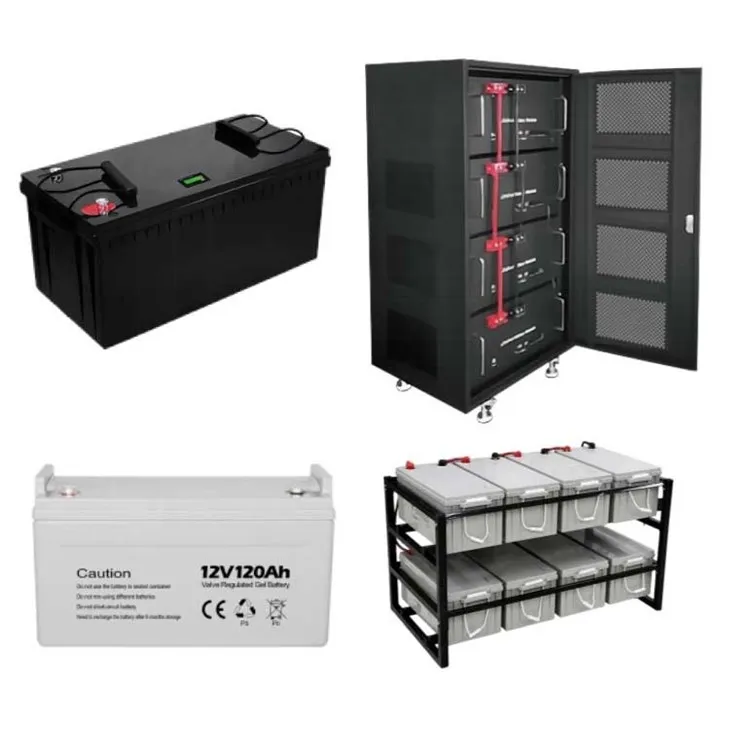
Batteries are used to store the electricity generated by the solar panels. They provide power to your grow room equipment when the sun isn't shining. When choosing batteries for your off-grid solar system, it's important to consider factors such as capacity, depth of discharge, and lifespan. Deep cycle batteries are typically the best choice for off-grid solar systems as they can withstand repeated charging and discharging.
Inverter
An inverter is used to convert the DC (direct current) electricity stored in the batteries into AC (alternating current) electricity, which is used by most grow room equipment. When choosing an inverter, it's important to consider the size and power requirements of your grow room equipment.
Backup Generator (Optional)
In some cases, it may be advisable to include a backup generator in your off-grid solar energy system. A backup generator can provide additional power during periods of extended low sunlight or high energy demand. Our 5KW Residential Off Grid Solar System can be configured with a backup generator for added reliability.
Sizing an Off-Grid Solar Energy System for a Grow Room
Sizing an off-grid solar energy system for a grow room requires careful consideration of several factors, including the size of the grow room, the type and number of equipment used, and the average sunlight hours in your area. Here are the general steps to follow:
Calculate Your Energy Consumption
The first step is to calculate the total energy consumption of your grow room equipment. Make a list of all the equipment you'll be using, including lights, fans, pumps, and climate control systems, and note their power ratings (in watts) and the number of hours they'll be running each day. Multiply the power rating by the number of hours of operation to get the daily energy consumption (in watt-hours) for each piece of equipment. Then, add up the daily energy consumption for all the equipment to get the total daily energy consumption of your grow room.
Determine Your Battery Capacity
Next, you'll need to determine the battery capacity required to store enough energy to power your grow room during periods of low sunlight. A general rule of thumb is to size your batteries to store at least two to three days' worth of energy consumption. Divide the total daily energy consumption by the battery voltage (usually 12V, 24V, or 48V) to get the required battery capacity in amp-hours.
Calculate the Number of Solar Panels
To calculate the number of solar panels required, you'll need to know the average sunlight hours in your area and the wattage of the solar panels you're using. Divide the total daily energy consumption by the average sunlight hours and the efficiency of the solar panels (usually around 15-20%) to get the total wattage of solar panels required. Then, divide the total wattage by the wattage of each solar panel to get the number of solar panels needed.
Considerations for Using an Off-Grid Solar Energy System in a Grow Room
Temperature and Humidity Control
Grow rooms require precise temperature and humidity control to ensure optimal plant growth. When using an off-grid solar energy system, it's important to ensure that your climate control equipment is energy-efficient and can operate effectively on the available power. Our Solar Panel For Household can be used to power energy-efficient climate control systems, helping you maintain the ideal growing environment.
Lighting Requirements
Lighting is one of the most energy-intensive aspects of a grow room. When using an off-grid solar energy system, it's important to choose energy-efficient lighting options such as LED lights. LED lights consume less energy and produce less heat than traditional lighting options, making them a great choice for off-grid grow rooms.
Maintenance and Monitoring
Like any other energy system, an off-grid solar energy system requires regular maintenance and monitoring to ensure optimal performance. This includes checking the solar panels for damage, cleaning them regularly, and monitoring the battery charge levels. Our team of experts can provide you with detailed maintenance instructions and support to help you keep your system running smoothly.
Conclusion
In conclusion, an off-grid solar energy system is a viable and beneficial option for powering a grow room. It offers energy independence, cost savings, environmental sustainability, and reliability. By carefully considering the components of the system, sizing it correctly, and taking into account the specific requirements of your grow room, you can create a successful off-grid solar-powered grow room.
If you're interested in learning more about our Off-Grid Solar Energy System or have any questions about using it for your grow room, please don't hesitate to contact us. We're here to help you make the right choice for your energy needs and guide you through the process of setting up your off-grid solar system.
References
- "Solar Power for Greenhouses and Grow Rooms." Renewable Energy World.
- "Off-Grid Solar Systems: Design and Installation Guide." Home Power Magazine.
- "The Basics of Solar Energy for Agricultural Applications." National Renewable Energy Laboratory.