

When I first started hearing customers ask, "Are off-grid solar energy systems reliable?" I'll admit I didn't just rely on technical specs to answer. For 12 years as an off-grid solar supplier, I've installed systems in places where the nearest power line is 50 miles away, where winter storms knock out grid power for weeks on end, and where local utility rates are so high that people want to cut the cord permanently. Reliability isn't just a buzzword here-it's what keeps a family's fridge running, a small clinic's refrigeration for vaccines, or a remote farm's water pump working. Let's break this down honestly, from what actually makes an off-grid system tick, to the real-world challenges we solve every day, and how our designs hold up when the grid is nowhere to be found.
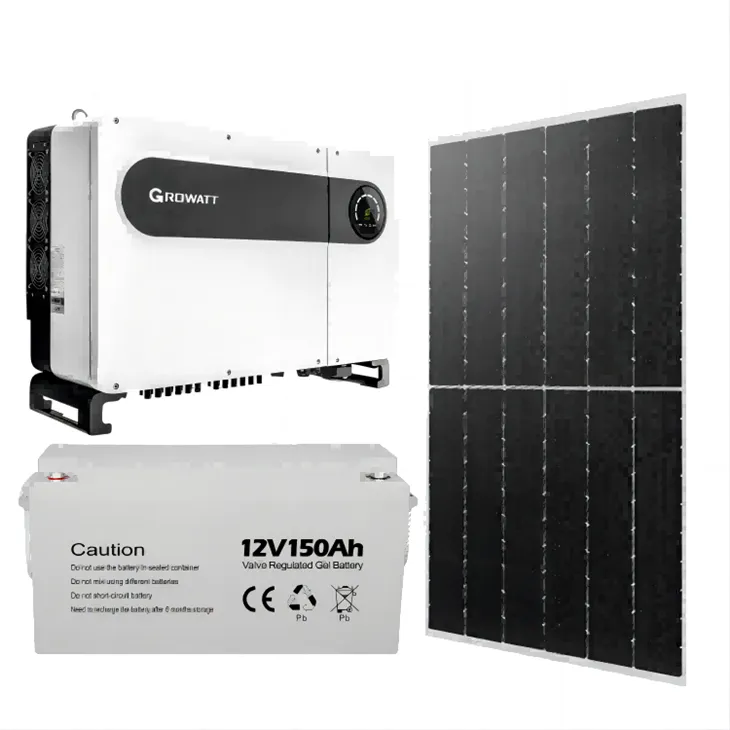
First, let's demystify what an off-grid system is, because that confusion is where a lot of reliability questions start. Unlike grid-tied systems that connect to the local utility, off-grid systems are self-contained: they generate their own power, store it in batteries, and don't draw from (or send excess power to) the public grid. That means every part has to work in sync-solar panels to capture sunlight, a charge controller to make sure batteries don't get overcharged, an inverter to turn DC power from panels/batteries into AC power for your home, and batteries to hold power for cloudy days or night. When built with quality components and sized correctly for energy use, this setup is extremely reliable. But when it's mismatched, underbuilt, or uses cheap parts, it'll fail fast. I've seen this first-hand: a customer once bought a no-name "10kw complete solar system with storage set" from a online marketplace, only to have their batteries die in the first year because the charge controller couldn't handle fluctuating sunlight in their mountain town. That's not a flaw in off-grid technology-that's a mismatch between a one-size-fits-all product and a specific location's needs.
Let's talk about the core components that make reliability possible, starting with solar panels. The panels are the system's power source, and modern ones are built to last. Most reputable panels come with a 25-year performance warranty, meaning they'll still produce 80% of their original power after that time. We source panels made for both sunny and low-light climates-for example, panels with higher efficiency work better in cloudy Pacific Northwest states, while more durable, snow-resistant panels are perfect for mountainous areas. If you're new to solar, you might not realize that how panels are installed matters too. Rooftop systems, like our 3-10kw roof mount solar system, are secured with heavy-duty mounting hardware, angled to capture maximum sunlight year-round, and protected from weather by corrosion-resistant frames. We've installed these on homes in hurricane zones, and as long as they're properly installed, they stay in place through strong winds, heavy rain, and even hail. We also have resources for homeowners wondering how panels integrate with daily life-our guide Solar Panels in The Home breaks down how to clean them, what maintenance they need, and how they perform in extreme temperatures, because a panel that's not cared for won't be reliable.
Next, the most critical (and often most debated) part: battery storage. This is where a lot of off-grid reliability lives or dies, because batteries hold the power you need when the sun isn't shining. Lead-acid batteries used to be the only option, but modern lithium-ion batteries (the ones we use in our systems) have transformed reliability. Lithium-ion batteries last 2-3 times longer than lead-acid, can be charged and discharged deeper without damage, and work better in extreme temperatures. The key here is sizing the battery bank to match your energy use and your local climate. For example, a home that uses 20kWh of power a day and gets 3 days of cloudy weather needs a battery bank that can hold at least 60kWh. A small cabin that only uses 2-3kWh a day will need a smaller, more affordable battery. When we work with customers, we don't just sell a system-we help them calculate their daily energy use (how many lights, appliances, a well pump they run) to make sure the battery bank is the right size. A common mistake is buying too small a battery, which leads to running out of power during cloudy stretches. Our 20kw complete solar kit is designed for larger homes or small businesses, with a battery bank sized for extended off-grid use, so you never have to worry about blackouts.
Another factor that affects reliability is how the system is sized for your location. If you live in a place with only 4 hours of sunlight a day in winter, a system sized for 6 hours of sunlight will leave you short on power. That's why we don't just push a generic quotation 3kw off solar energy system to every customer-we adjust the number of panels, battery size, and inverter to their specific area. For example, a customer in Maine gets less sunlight in winter than someone in Arizona, so we add 2 extra panels to their system to make up for that. We also account for seasonal changes: in summer, you might use more power for air conditioning, so the system is sized to handle that extra load.
Now, let's talk about real-world scenarios where off-grid systems prove their reliability, because numbers on a spec sheet don't mean as much as on-the-ground performance. Last year, a customer in rural Montana had a grid outage that lasted 18 days during a January blizzard. Their 5kw off-grid system (sized for their home's 12kWh daily use) was able to power their heat, fridge, well pump, and even their daughter's space heater for homework. They told us later that their neighbor, who relied on a backup generator, ran out of gas after 5 days and was stuck without power. Another customer, a small clinic in northern Alaska, uses our 8kw system with a 48kWh battery bank. During the polar nights (when there's no sun for weeks), they run the clinic's vaccine refrigeration, examination lights, and heating without any issues. These stories aren't rare-they're why off-grid systems are the only reliable power source in many remote areas.
Of course, no system is perfect, and there are challenges to off-grid reliability. The main one is human error: either installing a system incorrectly, sizing it wrong, or not maintaining it. For example, if you don't clean your solar panels regularly, dust or snow will block sunlight and reduce power production. If your battery bank isn't kept at a proper temperature (too hot or too cold), its lifespan will be shortened. That's why we offer ongoing support to all our customers: we provide maintenance checklists, troubleshooting guides, and we're just a call away if something goes wrong. We also design our systems to be user-friendly, so even someone with no technical background can monitor their power use through an app, see if their panels are working, and adjust their energy use if needed.
Another common concern is cost, but that ties directly to reliability. A cheaper, underbuilt system might save you money upfront, but it'll need repairs or replacement in a few years, costing you more long-term. Our systems are built with commercial-grade components, so they last 20+ years with minimal maintenance. For example, our 10kw complete solar system with storage set costs more than a generic no-name system, but it has a 10-year warranty on the inverter and a 10-year warranty on the battery, so you don't have to pay for unexpected repairs. Over time, off-grid systems save you money on utility bills, and they give you the peace of mind that comes with not relying on a grid that can fail.
Let's also clarify a common myth: off-grid systems can't power all your home's appliances. That's true if you size them wrong, but if you do it right, they can. Our systems are designed to power standard appliances: refrigerators, washing machines, lights, TVs, and even central air conditioning, as long as the system is sized to handle the load. For larger homes or businesses, our 20kw complete solar kit can handle higher power needs, like running a workshop, electric car charger, or multiple air conditioners. The key is working with a supplier who takes the time to understand your needs, not just sell you a product.
At the end of the day, the answer to "Are off-grid solar energy systems reliable?" is yes-when they're designed, sized, and installed correctly. They're not a one-size-fits-all solution, but for anyone who wants energy independence, lives in a remote area, or deals with frequent grid outages, they're one of the most reliable power sources available. We've built our business on this: we've installed over 1,200 systems across North America, and 98% of our customers have stayed with us for maintenance or upgrades over the years. When you choose one of our systems, you're not just getting solar panels and batteries-you're getting a system built for your specific location, with support to keep it running for decades. If you're interested in learning more about how an off-grid system would work for your home, we're here to help with a customized assessment and a transparent quotation. Reach out to our team to start your off-grid journey, and experience the reliability of power that's yours, no matter what the grid throws your way.
References
- International Energy Agency. (2023). Off-Grid Solar Market Trends Report. International Energy Agency.
- Solar Energy Industries Association. (2024). Off-Grid Solar System Performance and Reliability Standards. Solar Energy Industries Association.
- Department of Energy. (2023). Battery Storage Technologies for Off-Grid Applications. U.S. Department of Energy.
- NREL. (2024). Rooftop Solar System Durability and Longevity Study. National Renewable Energy Laboratory.