


Hebei Mutian Solar Energy Technology Development Co., Ltd. is one of the most reliable manufacturers and suppliers of deye three-phase inverter in China, also supports customized service. Welcome to buy advanced deye three-phase inverter in stock from our factory.
C&I rooftops are rarely perfect. A design looks fine in PVsyst, but on-site reality brings mixed orientations and parapet shadows. Tracker count matters more than marketing efficiency stats. This Deye three-phase inverter fits those complex sites. It uses multiple MPP trackers, and the DC input supports longer strings. Fewer combiners, less DC cabling, faster installation. For grid edge cases, it has zero-export and VSG support. Optional string monitoring and anti-PID are available. If the site has PID risk, add anti-PID at the PO stage. Retrofitting later requires a second site visit and extra labor costs.
Can this inverter handle a roof with four orientations?
Yes, provided the string plan uses the extra trackers. Putting four orientations on one tracker causes mismatch losses. No MPPT algorithm can fix bad string wiring.
For mixed roofs, buyers typically select the 45K or 50K. The 40K has fewer trackers and suits clean, single-plane roofs. For east-west arrays, extra trackers prevent the morning array from dragging down the afternoon array. The MPPT window is vital during morning ramp-up and late-afternoon dips. A narrow window loses yield silently. You usually only see it in the monthly data report.
Installation details matter. Cooling is intelligent air, not liquid. A fan swap is a ladder job, avoiding return-to-depot delays. For Gulf or South Asia sites, this affects O&M budgets directly. The enclosure is metal with a corrosion-resistant finish. Coastal sites require checking the coating spec against salt-spray exposure. The derating curve is published. In 47°C ambient, the unit folds back to protect itself. If you sized the design correctly, this is normal behavior.
Protection includes DC reverse polarity, AC overcurrent, overvoltage, short circuit, thermal, insulation impedance, residual current, anti-islanding, and double-sided surge protection. On weak grids with voltage swings, these keep the unit online. AFCI and string monitoring are optional. Spec them at PO if the roof has mixed strings or PID risk. Retrofitting means a second commissioning window.
Which model in the 40/45/50K family fits which roof?
Match the model to the physical roof, not just the AC capacity.
| Procurement scenario | Look first at | Why |
|---|---|---|
| Single orientation, low shading | 40K | Fewer trackers, cost-effective for simple roofs |
| Multiple orientations, moving shadows | 45K / 50K | More trackers, reduces string mismatch |
| Known PID risk, mixed string lengths | Any model + anti-PID and monitoring at PO | Prevents costly site revisits |
| High-ambient markets | Any model, sized to the derating curve | Prevents false fault alarms during commissioning |
| Weak grid or high-impedance feeder | Any model, with confirmed grid parameters | Ensures compliance with local operator settings |
What does Mutian add beyond the inverter carton?
The inverter is one line item. The supply chain decides if the project ships on time.
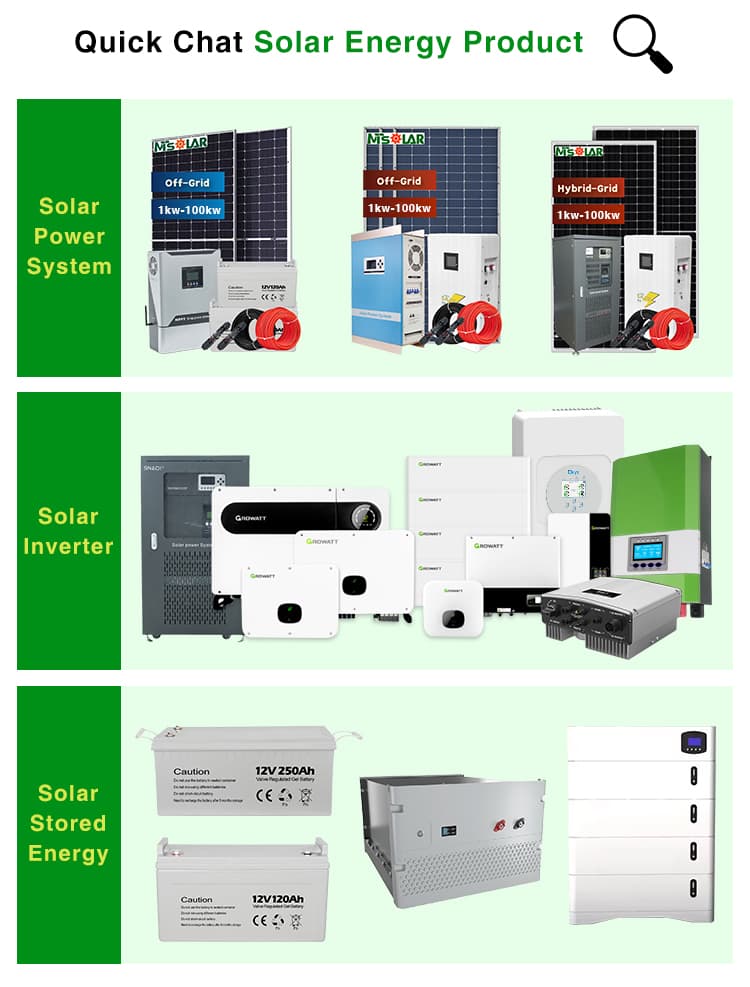
Mutian has operated in solar since 2006. We hold 22 technology patents and supply modules, racking, controllers, and inverters. This keeps DC-side and AC-side logistics in one thread. All products carry ISO, CE, and ROHS certification. We also hold China Ministry of Commerce authorized-brand status for aid and emergency solar supply. Documentation is available on our certifications page.
In 2014, Chinese aid medical equipment including Mutian solar lights was delivered to Ghana during the Ebola response. Those lights maintained lighting for emergency clinics and food stations overnight. Operations would have stopped at dusk without them. That standard of reliability remains our baseline.


Our factory is in Baoding, Hebei (the Electricity Valley). We handle incoming inspection, assembly, aging, burn-in, grid-simulation testing, insulation, final QC, and packing. Every unit is tested in-house. Serial numbers link to test records. When you buy a Deye three-phase inverter through Mutian, you work with a team covering 46 countries and over 50,000 projects. We identify if your destination requires specific grid-code declarations beyond standard CE files. Redacted C&I references are available on our project references page.
What should you confirm before the PO, not after?
Three items: warranty extension terms, country-specific grid-code files, and optional hardware needs.
Unit price is the starting point, but after-sales support and spare-parts lead times decide the project outcome. A cheap unit is expensive if the crew waits on site for parts. Standard warranty applies, with extension paths available. Lock extension terms into the PO. We provide technical files (datasheet, manual, wiring diagrams, grid-code declarations) before payment. If the local grid operator needs a specific declaration during interconnection, flag it early. Resolving this after shipping is costly. Full parameter sheets are available upon request.
Recent C&I shipments show anti-PID and string-level monitoring are the most common PO additions. This avoids second site visits. The most common documentation gap is the local grid-code declaration, not the CE file. Address this before the PO, not after delivery.
What do buyers usually ask before shortlisting?
Q: Will this unit work with bifacial modules and longer strings?
A: Usually yes. Check the string voltage and current window against the input limits. Bifacial gain changes yield, not compatibility. Send the module datasheet and string layout before finalizing the BOM.
Q: What happens on a weak grid or high-impedance feeder?
A: It uses adjustable grid parameters and reactive-power settings. Correct values depend on the local operator. Provide the country and feeder condition for the setting package before interconnection filing.
Q: How do you handle an RMA outside China?
A: Send the serial number, error code, and monitoring log. Most issues resolve at the string or grid-parameter level without a swap. For physical replacement, local service coverage and PO spare units dictate the timeline.
Hot Tags: deye three-phase inverter, China deye three-phase inverter manufacturers, suppliers, factory, solar off grid special offer, solar off grid lte, solar off grid emergency energy, off grid solar business, off grid solar diesel backup, off grid solar frame


